How Poor Attic Insulation Can Lead to Severe Winter Roof Issues
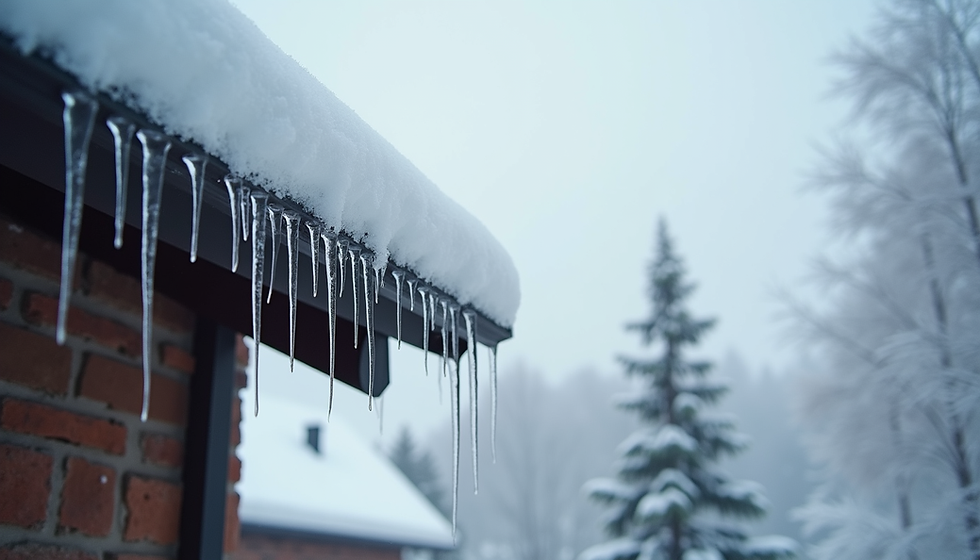
Winter brings cold temperatures, snow, and ice that put extra stress on your home’s roof. Many homeowners focus on the visible parts of their roof but overlook a critical factor that can worsen winter roof problems: attic insulation. Poor attic insulation allows heat to escape from your living space into the attic, causing a chain reaction of issues that can damage your roof and increase your heating bills.
This post explains how inadequate attic insulation contributes to winter roof problems, what those problems look like, and practical steps to protect your home.
How Heat Loss from Poor Attic Insulation Affects Your Roof
Attic insulation acts as a barrier that keeps warm air inside your home during winter. When insulation is missing, thin, or improperly installed, warm air rises through the ceiling and enters the attic. This heat loss causes several problems:
Ice dams: Warm air melts snow on the roof. Melted water runs down and refreezes at the colder eaves, forming ice dams. These dams trap water, which can leak under shingles and damage the roof deck.
Roof structure damage: Repeated freeze-thaw cycles from ice dams cause shingles to crack and wood to warp or rot.
Increased energy bills: Heat escaping through the attic means your heating system works harder to maintain indoor temperature.
Moisture buildup: Warm air carries moisture that condenses on cold attic surfaces, promoting mold growth and wood decay.
What Ice Dams Are and Why They Are Dangerous
Ice dams form when snow melts unevenly on your roof. The upper roof warms due to heat escaping from the attic, while the edges remain cold. Meltwater flows down and refreezes at the eaves, creating a ridge of ice. This ridge blocks further melting snow from draining off the roof.
The trapped water can seep under shingles and into the roof structure, causing:
Water stains on ceilings and walls inside the home
Damage to insulation and drywall
Mold growth that affects indoor air quality
Structural damage to wood framing and sheathing
Ice dams are a common winter problem in cold climates, and poor attic insulation is a leading cause.
Signs Your Attic Insulation May Be Inadequate
You don’t have to wait for visible roof damage to know if your attic insulation is poor. Look for these signs:
High heating bills during winter months compared to similar homes
Uneven snow melt on your roof, with bare patches near the ridge and snow remaining at the edges
Ice buildup along gutters and eaves
Cold drafts or uneven temperatures in upper floors
Visible gaps or compressed insulation in the attic
A professional energy audit or infrared camera inspection can also reveal heat loss areas.
How to Improve Attic Insulation to Protect Your Roof
Improving attic insulation is one of the most effective ways to prevent winter roof problems. Here are practical steps:
Add insulation: Use materials like fiberglass batts, blown-in cellulose, or spray foam to increase R-value (thermal resistance). The U.S. Department of Energy recommends R-38 to R-60 for attics in cold climates.
Seal air leaks: Use caulk or expanding foam to seal gaps around vents, chimneys, and wiring penetrations.
Ensure proper ventilation: Good attic ventilation balances temperature and moisture, reducing ice dam risk. Ridge vents and soffit vents help maintain airflow.
Check insulation coverage: Make sure insulation covers the entire attic floor evenly without gaps or compression.
Install an attic radiant barrier: This reflective material reduces heat transfer and can complement insulation.
Real-Life Example: How Upgrading Insulation Saved a Home
A homeowner in Minnesota noticed ice dams forming every winter, causing water stains on ceilings. An energy audit revealed poor attic insulation and multiple air leaks. After adding blown-in cellulose insulation to reach R-50 and sealing leaks, the ice dams disappeared the following winter. The homeowner also saw a 20% reduction in heating bills.
This example shows how addressing attic insulation can solve roof problems and save money.
Additional Winter Roof Maintenance Tips
Besides improving insulation, consider these tips to protect your roof during winter:
Keep gutters clean: Clear leaves and debris to allow proper drainage.
Remove heavy snow: Use a roof rake to safely remove excess snow buildup.
Inspect roof regularly: Look for damaged shingles or flashing before winter.
Avoid using salt or chemicals on your roof, which can cause damage.
Hire a professional for roof repairs or insulation upgrades.


Comments