What Does a Home Inspector Check in Hillsborough NC
What Does a Home Inspector Check in Hillsborough NC
A home can look move-in ready and still hide problems in the attic, crawl space, roof, plumbing, wiring, or drainage. That is why a professional home inspection matters before closing on a property in Hillsborough, NC.
A good inspection does not pass or fail a house. It gives a clear picture of the home’s condition on the day of the inspection. For buyers, that information can help with repair requests, budgeting, and peace of mind. For sellers, it can uncover issues before the home goes on the market.
Hillsborough homes can vary widely. Some are newer builds with modern systems. Others have older framing, additions, crawl spaces, or long-term moisture concerns common in many North Carolina properties. A thorough inspector looks at the visible and accessible parts of the home, then explains what the findings mean in plain language.
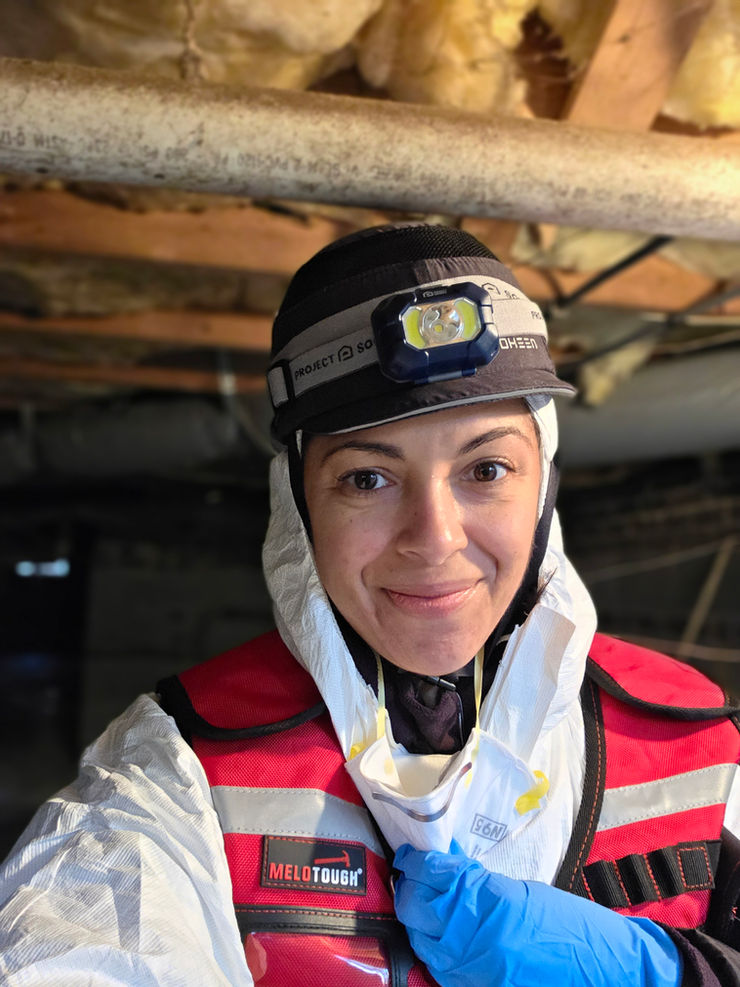
What a home inspector checks during a typical inspection
A professional home inspector reviews the major visible components of the property. The goal is to identify safety concerns, defects, damage, wear, installation problems, and items that may need repair or further evaluation.
Most general home inspections include:
Roof covering and roof drainage
Exterior walls, trim, windows, doors, and grading
Foundation and structural components
Attic, insulation, and ventilation
Crawl space or basement conditions
Electrical service, panels, outlets, and visible wiring
Plumbing supply, drains, fixtures, and water heater
Heating and cooling systems
Interior rooms, stairs, walls, ceilings, floors, and windows
Built-in appliances, when included in the inspection scope
Safety items such as handrails, smoke alarms, and GFCI protection
The inspection is usually visual and non-invasive. That means the inspector does not open walls, move heavy furniture, remove flooring, or dismantle equipment. If a concern appears outside the scope of a standard inspection, the report may recommend a licensed specialist, such as a roofer, electrician, plumber, HVAC contractor, structural engineer, or pest professional.
For anyone comparing services while NC buying a home, the key question is not just “What do you check?” It is also “How clearly will you explain what you find?”
The roof and exterior help tell the home’s story
The exterior inspection often begins before the inspector walks inside. The roof, siding, drainage, and grading can reveal years of maintenance habits, weather exposure, and potential moisture concerns.
Roofing materials and drainage
The inspector looks at visible roof coverings, flashing, valleys, vents, skylights, chimneys, and gutters. In Hillsborough, where heavy rain and seasonal storms can test a roof, proper drainage matters. Gutters should move water away from the home, not dump it beside the foundation.
Common roof-related findings may include:
Damaged or missing shingles
Worn flashing around chimneys or roof penetrations
Soft or uneven roof areas visible from safe viewpoints
Clogged or disconnected gutters
Signs of past leakage in the attic
The inspector may walk the roof if it is safe and accessible. If not, they may inspect it from the ground, ladder, windows, or with other visual methods.
Siding, trim, windows, and doors
The inspector checks exterior wall coverings, trim, flashing, and penetrations where water can enter. Wood rot, cracked caulking, damaged siding, and gaps around windows or doors can allow moisture intrusion.
They also look at decks, porches, steps, railings, driveways, walkways, and retaining walls when these are part of the inspection. Loose railings, improper deck connections, or settling steps can become safety concerns.
Grading and water movement
Poor grading is one of the simplest issues to spot, but one of the most important. Soil should generally slope away from the foundation. If water collects near the house, the crawl space or basement may stay damp, which can affect framing, insulation, air quality, and pests.
The foundation, structure, and crawl space need careful attention
Hillsborough and nearby North Carolina communities often have homes with crawl spaces. These areas are easy to overlook during a showing, but they can reveal some of the most important information about a property.

A home inspector checks visible structural components such as the foundation, floor framing, beams, joists, piers, columns, and accessible support areas. They look for movement, damage, improper modifications, moisture, wood decay, and signs that repairs were made without proper support.
In a crawl space, the inspector may note:
Standing water or heavy moisture
Damaged insulation
Wood rot or fungal growth
Sagging or cut floor joists
Inadequate ventilation or sealed crawl space concerns
Plumbing leaks
Pest-related damage, when visible
Missing or damaged vapour barrier material
A damp crawl space does not always mean a major structural problem. Still, it deserves attention. Moisture can lead to repair costs over time and may need drainage correction, encapsulation, ventilation changes, plumbing repair, or pest evaluation.
The inspector’s job is to report the visible evidence and help the buyer understand the level of concern.
Electrical systems are checked for safety and function
Electrical problems can be serious, so this part of the inspection is especially important. The inspector reviews the visible electrical service, main panel, subpanels, accessible wiring, outlets, switches, fixtures, and safety devices.
They may remove the panel cover when safe to do so. Inside, they look for signs of overheating, improper breaker sizes, double-tapped breakers, missing covers, damaged wiring, corrosion, and other visible concerns.
Common electrical findings include:
Missing GFCI protection in wet or required areas
Loose outlets or switches
Open grounds or reversed polarity
Exposed wiring
Missing junction box covers
Extension cord use as permanent wiring
Improperly labelled panels
Older or outdated components that need specialist review
GFCI protection is commonly expected in areas such as kitchens, bathrooms, garages, crawl spaces, basements, laundry areas, and exterior locations, depending on the age of the home and applicable standards.
A home inspector is not performing a full electrical code inspection. The report will identify visible safety concerns and may recommend an electrician when needed.
Plumbing and water heaters get a close look
Plumbing issues can be costly if they go unnoticed. During the inspection, the inspector checks visible supply lines, drain lines, fixtures, faucets, tubs, showers, toilets, hose bibs, and the water heater.
They usually run sinks, tubs, and showers to observe drainage and fixture function. They also look under sinks and around toilets for leaks, staining, loose fixtures, or damaged materials.
Important plumbing inspection points include:
Functional flow at fixtures
Drainage performance
Visible leaks
Corrosion or damaged pipes
Water heater age and condition indicators
Proper temperature and pressure relief valve installation
Venting concerns for gas water heaters
Signs of past leaks around ceilings, cabinets, and floors
Water heaters deserve particular attention. The inspector checks visible installation conditions, safety components, and signs of leakage or corrosion. If a water heater is older or poorly installed, the report may recommend further evaluation or replacement planning.

Heating and cooling systems affect comfort and future costs
HVAC systems are a major part of the home’s performance. During a standard inspection, the inspector reviews visible heating and cooling equipment, thermostats, air filters, ductwork, registers, and accessible system components.
The inspector may operate the system using normal controls, depending on outdoor temperature and safe operating conditions. They look for signs of poor maintenance, damaged ducts, unusual noise, weak airflow, rust, leaks, or system components near the end of expected service life.
Common HVAC-related findings may include:
Dirty or missing filters
Damaged or disconnected ductwork
Condensate drainage problems
Rust or corrosion
Poor airflow in some rooms
Outdoor unit damage or improper clearance
Inconsistent heating or cooling response
The home inspection report does not replace a full HVAC service visit. If the system appears neglected, old, or not functioning properly, the inspector may recommend evaluation by a qualified HVAC contractor.
Interiors show both everyday wear and hidden clues
Inside the home, the inspector checks floors, walls, ceilings, stairs, railings, doors, windows, cabinets, counters, and visible surfaces. This part of the inspection can reveal signs of movement, leaks, settlement, ventilation problems, or poor repairs.
Water stains on ceilings, cracked tiles, uneven floors, sticky doors, and patched drywall may all tell a story. Sometimes the issue is minor. Other times, the inspector may connect the interior clue to a roof leak, plumbing problem, foundation movement, or moisture concern.
The inspector also checks windows and doors for basic operation where accessible. They may note fogged glass, damaged locks, broken seals, cracked panes, or windows that do not open properly.
Stairs, guardrails, and handrails are checked for safety. Loose railings or missing handrails can be simple repairs, but they matter because they affect everyday use.
Attics can reveal leaks, ventilation problems, and insulation issues
The attic is another area buyers rarely inspect carefully during a showing. A home inspector looks at the accessible attic space to review roof framing, sheathing, insulation, ventilation, bathroom fan termination, wiring, and signs of moisture.
Common attic concerns include:
Stains on roof decking
Evidence of active or past roof leaks
Compressed or missing insulation
Poor ventilation
Bathroom fans venting into the attic
Exposed electrical splices
Pest activity signs
Damaged framing members
Proper attic ventilation and insulation can affect comfort, energy use, roof life, and moisture control. If the attic shows mould-like growth, heavy staining, or ventilation concerns, further evaluation may be appropriate.
What a standard home inspection may not include
A home inspection is broad, but it is not unlimited. Buyers often expect one inspection to answer every possible question. In reality, some items require specialised testing, access, tools, or licensing.
A standard inspection may not include:
Termite or wood-destroying insect inspection unless added
Radon testing unless requested
Septic system inspection unless arranged separately
Well water testing unless included
Sewer scope inspection
Indoor air quality testing
Mould testing
Pulling permits or confirming code compliance
Predicting the exact remaining life of major systems
Opening walls, ceilings, or concealed spaces
That does not make the inspection less valuable. It helps define the next steps. If the inspector sees signs of possible termite damage, septic concerns, roof leaks, or drainage problems, the report can point the buyer toward the right specialist before closing.
How to read the inspection report
The report is where the inspection becomes useful. A strong report should be organised, clear, and supported with photos. It should explain what was inspected, what could not be inspected, what defects were found, and which items need repair, monitoring, or further review.
Not all findings carry the same weight. A missing outlet cover is very different from active water intrusion in a crawl space. Focus first on items that affect:
Safety
Water intrusion
Structural performance
Major systems
High repair costs
Insurance or lending concerns
Cosmetic items may still matter, but they usually should not distract from larger issues.
For a home inspection new home buyers order, the report can also become a helpful maintenance guide. Even if the house is in good condition, the inspection may point out filter changes, drainage improvements, caulking needs, and items to monitor after move-in.
Why local experience matters in Hillsborough
Hillsborough has a mix of older homes, rural properties, neighbourhood developments, and homes with crawl spaces, decks, wells, septic systems, or additions. Local conditions matter because common issues vary by region and home style.
In and around Hillsborough, inspectors often pay close attention to moisture management, crawl space conditions, roof drainage, exterior wood trim, deck safety, and grading. North Carolina humidity and seasonal rain can make small water issues more important over time.
A local inspector also understands how to explain findings in a practical way. The best inspection is not just a list of defects. It is a clear conversation about what matters now, what can wait, and what deserves specialist review.

What to do before and during the inspection
A little preparation can make the inspection more useful. If possible, buyers should attend at least the final walkthrough portion of the inspection. This gives the inspector a chance to explain major findings in person.
Before the inspection, confirm that utilities are on and that the inspector can access the attic, crawl space, electrical panel, water heater, HVAC equipment, garage, and exterior areas.
During the inspection, avoid interrupting every few minutes, but do ask questions at the right time. A good inspector will explain concerns clearly and distinguish between minor maintenance and more serious defects.
After receiving the report, read it fully. Do not rely only on the summary. Photos and comments throughout the report can provide useful context.
Inspec360 Residential Services provides inspections in Hillsborough and nearby communities
Inspec360 Residential Services offers professional home inspections in Hillsborough and surrounding North Carolina communities. A thorough inspection can help buyers better understand the home they are purchasing, from the roof and exterior to the electrical system, plumbing, crawl space, attic, and HVAC equipment.
A home inspection cannot remove every risk from a real estate purchase. No inspector can see behind every wall or predict every future repair. What it can do is give a clearer view of the property’s current condition, including visible defects, safety concerns, and maintenance needs.
For buyers, that clarity is valuable. It supports better questions, better planning, and a more confident decision before closing.
The smartest next step is simple: schedule the inspection early enough to review the findings carefully, ask follow-up questions, and decide which repairs or evaluations matter most before moving forward.


Comments